

Anti-Cam-Out (ACR)
Anti-Cam-Out (ACR) bits feature specially designed ribs machined into the drive tip that bite into the screw head's recess, creating additional contact points that resist slipping out under torque. This anti-cam-out design keeps the bit seated even under high driving force, reducing stripped screw heads, wasted fasteners, and rework — a common problem with standard bits under heavy or repetitive use. For best results, ACR bits should be paired with ribbed ACR screws, since the two are engineered together so the ribs on the bit and the screw head interlock precisely. ACR® is a registered trademark of Phillips Screw Company.
Aviation (A)
Aviation (A) bits are extra-hard bits engineered with a sharp-edged tip profile designed to cut through paint, primer, and coating buildup commonly found in screw recesses on aircraft fuselage panels and other painted assemblies. Where a standard bit would ride up on layers of paint and fail to fully seat, the sharp edges of an A bit slice through the coating to make full, direct contact with the screw drive — ensuring dependable torque transfer and a secure grip rather than slipping or camming out. The added hardness also helps the bit maintain its edge profile over repeated use in these demanding, coating-heavy applications. A specialized choice for aviation maintenance, aerospace assembly, and any application involving painted or coated fasteners.

BiTorsion Diamond Coated (BDC)
BiTorsion Diamond Coated (BDC) bits are premium products with a rough diamond coating on their surface. DC bits reduce the danger of cam-out due to increased surface friction. BDC bits have a softer BiTorsion (B) zone, which reduces the hardness of the shaft by about 20% compared to the drive tip. This means that the peak loads that cause bit breakage and premature wear are absorbed in this zone, which enhances the service life of the bits. The diamond coating lowers the danger of slipping as the minute diamond particles literally "bite" themselves into the screw head.
Diamond Coated (DC)
Diamond Coated (DC) bits are premium bits finished with a rough diamond coating bonded to the drive tip surface, dramatically increasing surface friction compared to standard uncoated bits. Rather than relying on tip shape alone to maintain grip, the embedded diamond particles physically bite into the screw head on contact, creating a mechanical hold that resists slipping even under high torque or repeated use. This significantly reduces the risk of cam-out — the tip riding up and out of the screw head — which is one of the most common causes of stripped screws, damaged surfaces, and wasted fasteners. A premium option for jobs where a secure, dependable grip is critical and standard bits tend to slip..

BTH
BTH bits combine the hardened, wear-resistant tip of an H bit with an additional tempered BiTorsion zone (B) built into the shaft. This zone is deliberately tempered to run about 20% softer than the drive tip itself, creating a controlled "give" point along the bit rather than a uniform, fully rigid shaft. When peak loads hit during driving — the kind of sudden torque spikes that would otherwise crack or snap the bit, or wear down the tip prematurely — that stress is absorbed in the softer BiTorsion zone instead of being transmitted straight through to the tip. By sacrificing a small amount of shaft hardness in a specific, engineered location, BTH bits avoid sacrificing tip performance while still gaining a meaningful boost in durability and overall service life. A strong option for demanding, high-torque driving into hard materials where standard H bits would be more prone to breakage.

BTZ
BTZ bits combine the ductile, breakage-resistant construction of Z bits with an additional tempered BiTorsion zone (B) built into the shaft. This zone is deliberately tempered to run about 20% softer than the drive tip, creating a controlled flex point along the bit rather than a uniformly rigid shaft. When peak loads hit during driving into hard materials like sheet steel or metal — the kind of sudden torque spikes that already put Z bits' toughness to the test — that stress is absorbed in the softer BiTorsion zone instead of being carried straight through to the tip. The result is a bit that layers two forms of breakage resistance: the inherent ductility of the Z-bit steel, plus a purpose-built shock-absorbing zone that further protects against premature wear and snapping. A strong choice for the most demanding driving jobs into hard or metal materials, where standard bits — even standard Z bits — would be more prone to failure.

H
H bits are hardened bits designed for driving into semi-hard materials such as wood, offering increased durability and wear resistance compared to standard bits. The added hardness helps the bit hold its shape and cutting edge under repeated use, reducing wear when working with tougher wood species or dense semi-hard stock. A solid choice for woodworking and carpentry applications where standard bits would wear down too quickly.

Impact Rated
Impact bits are engineered to withstand the aggressive, high-torque forces generated by impact drivers and impact wrenches — power tools that deliver rapid rotational bursts (typically 18-volt or higher) rather than smooth, continuous torque like a standard drill or screwdriver. This pulsing force can shatter or twist off standard bits over time, so impact bits are built from tougher, more flexible steel alloys designed to absorb sudden torque spikes without snapping or wearing prematurely at the tip. The result is a bit that holds up to repeated heavy use, resists breakage, and maintains a secure fit in the screw head even under the jarring, high-force output of impact tools. Essential for any job using an impact driver or impact wrench — using a standard bit in these tools significantly increases the risk of bit failure.
Japanese Camera Standard (JCS)
Japanese Camara Standard (JCS) bits are precision-ground to fit the small cross-drive screws used in cameras, lenses, and other Japanese-manufactured optical and electronic equipment. Similar in profile to JIS bits but scaled down for the tiny fasteners found in camera bodies, lens barrels, and electronics housings, JCS bits grip cleanly without camming out — critical when working with soft, easily stripped miniature screws. Ideal for camera repair technicians, electronics hobbyists, and precision equipment servicing.

Japanese Industrial Standard
JIS bits are precision-engineered to match the Japanese Industrial Standard screw head, a cross-drive design that looks similar to a Phillips but has a straighter, flatter tip profile. Unlike Phillips bits, JIS bits won't cam out under torque — making them the correct choice for automotive, motorcycle, and marine work on Japanese-made vehicles and equipment, where using a standard Phillips bit can strip or round out the fastener. Available in a range of sizes for engine, electrical, and body panel fasteners.
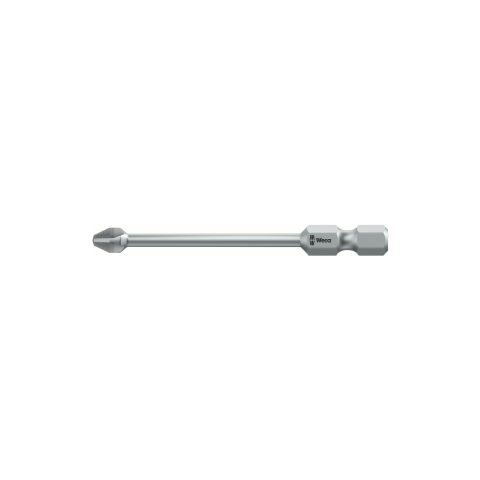
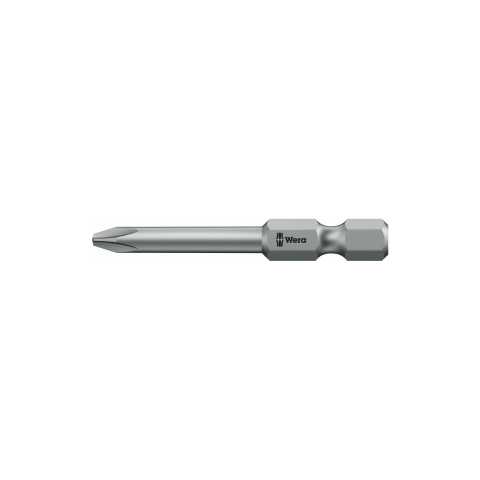
Reduced Shaft Diameter
Reduced-shaft-diameter bits feature a narrower shaft than the bit tip, allowing screws to be driven flush or countersunk without the shaft contacting or damaging the surrounding material's surface. This design is especially useful when sinking screws into finished wood, veneer, or other surfaces where marring or crushing around the screw head needs to be avoided. A practical choice for finish carpentry and any application where a clean surface finish matters.
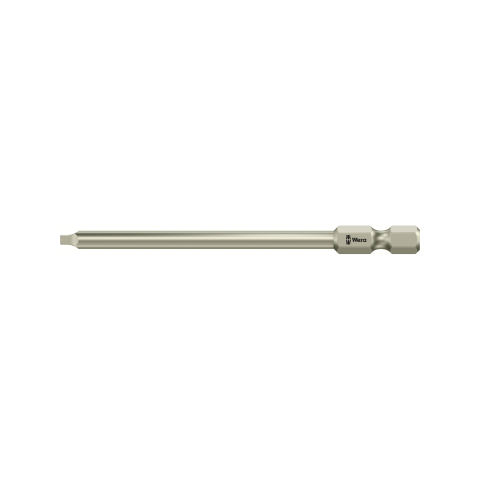
Stainless (S)
Stainless (S) bits are suitable for all screwdriving jobs with stainless steel screws. Using stainless steel bits prevents rust from forming on stainless steel screws or surfaces. Rust on stainless steel mainly occurs from wear particles remaining after screwdriving work with conventional steel tools. Steel wear particles adhere to the screw and begin to rust under the influence of oxygen and moisture. These stainless bits are easily recognizable with their ice-blue banderole.
TH
TH bits combine the hardened, wear-resistant design of H bits with a built-in torsion zone (T) — a flexible section engineered to absorb peak torque loads before they reach the bit tip. By flexing under sudden torque spikes rather than transmitting the full load to the tip, the torsion zone prevents premature wear and significantly extends the bit's service life. A strong choice for high-torque driving into semi-hard materials like wood, where standard H bits would wear out faster.
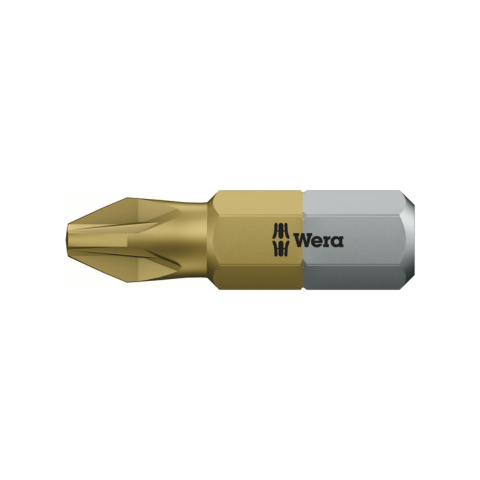
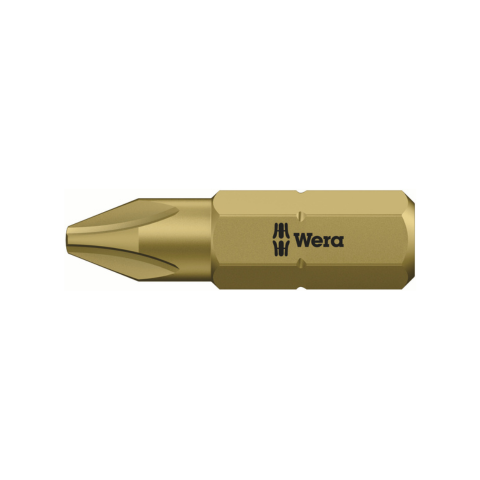
Titanium-Nitride (TiN)
Titanium Nitride bits feature a hard, gold-colored ceramic coating applied to the bit surface, significantly increasing surface hardness and reducing friction compared to uncoated steel bits. This coating resists wear, corrosion, and cam-out, extending bit life and maintaining a cleaner grip in the screw head over repeated use. A reliable upgrade for high-volume driving applications where standard bits would dull or strip more quickly.

Torsion
Torsion (T) bits feature a built-in torsion zone — a section of the bit shaft engineered to flex slightly under sudden torque spikes rather than transmitting the full force straight to the tip. When peak loads hit during driving, especially with high-torque or power tool applications, this flex absorbs the damaging stress before it can twist off or wear down the tip. By taking on that load instead of the tip, the torsion zone prevents premature wear, reduces the risk of the bit snapping under sudden force, and significantly extends the bit's overall service life compared to a rigid, non-torsion bit. A reliable choice for driving applications where torque spikes are common and bit longevity matters.
TS
TS bits combine the torque-absorbing torsion zone (T) of a standard torsion bit with a stainless steel (S) construction, making them the right choice for driving stainless steel screws. Stainless fasteners are typically harder and more prone to galling and bit wear than standard steel screws, so the stainless build of the bit itself resists corrosion and wear when in constant contact with stainless material — while the torsion zone flexes under sudden torque spikes to absorb peak loads before they reach the tip. Together, this combination prevents premature wear, reduces the risk of the bit snapping under load, and extends service life even under the demanding conditions of repeated stainless-to-stainless driving. A dependable choice for any screwdriving job involving stainless steel screws.
TZ
TZ bits combine the toughness of Z bits with a built-in torsion zone (T). Z bits are made from ductile, tough steel designed to resist breakage when driving into hard materials like sheet steel or metal, where a more brittle bit would snap under load. Adding the torsion zone gives TZ bits an extra layer of protection: the torsion zone flexes under sudden peak torque loads, absorbing the stress before it reaches the tip, while the ductile Z-bit construction resists cracking and breakage from the hard material itself. Together, this combination prevents premature wear, reduces the risk of bit failure, and extends service life — making TZ bits a strong choice for high-torque driving into tough, hard, or metal materials where standard bits would be prone to snapping.
Z
Z-Bits are made from a ductile, tough steel alloy engineered to resist breakage when driving into hard, dense materials such as sheet steel or metal, where a more brittle bit would crack or snap under load. Rather than prioritizing maximum hardness — which can make a bit more brittle and prone to shattering under stress — Z bits are built to flex slightly and absorb shock without failing, holding up to the repeated impact and torque involved in driving into unforgiving materials. This makes them a dependable choice for metalworking, sheet metal fabrication, and any job where bit breakage would mean lost time and wasted fasteners.